Thoughts on Yoga and Parenting
By Denver Clark, C-IAYT, ERYT-500
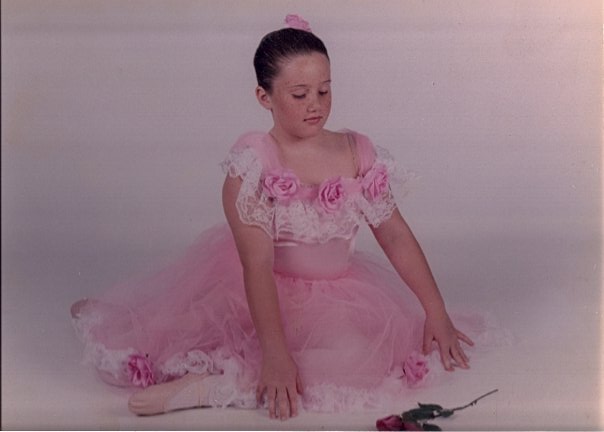
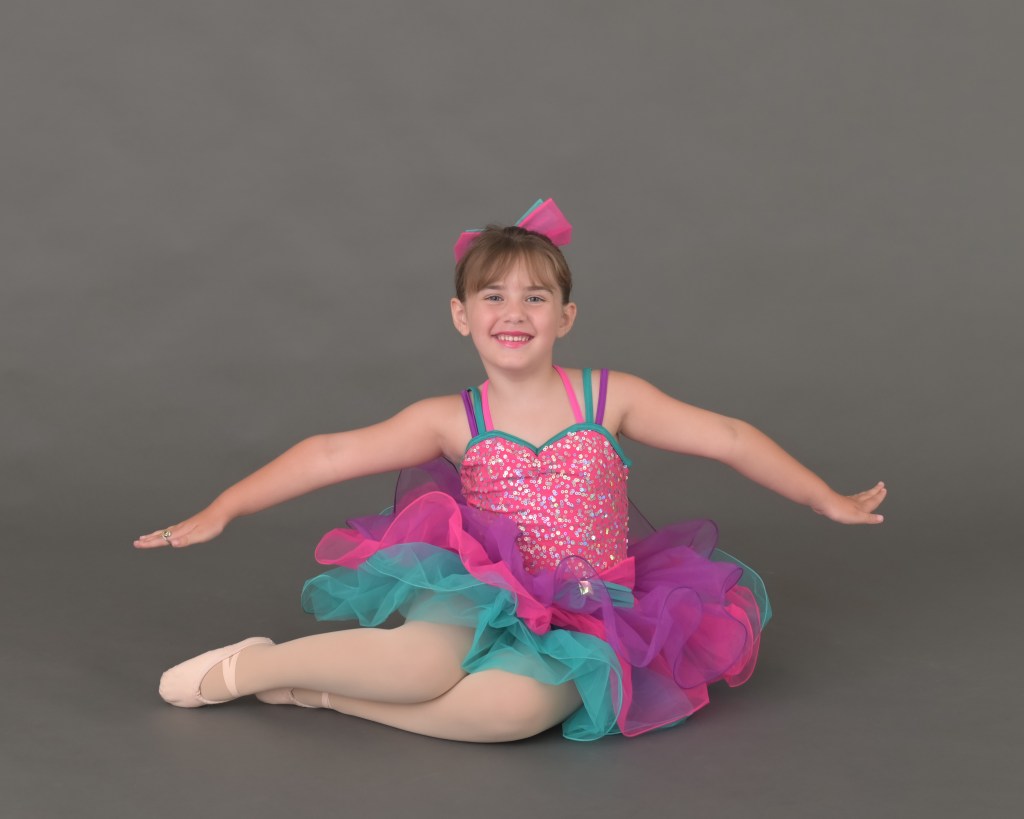
My daughter moved up to the front seat of my car today.
One of my skills just happens to be making kids who have rapid growth patterns, so although she’s still in elementary school, my eldest daughter is almost as tall as me and weighs as much as a grown woman. This morning was a rare day where we didn’t have to take my younger daughter to daycare, so we left early for a special treat – doughnuts before school – and I invited her into the front seat for the short drive behind our neighborhood to school.
I am a mother of two daughters and the complexities of mother-daughter relationships are a constant thought in the back of my mind as I navigate an adult relationship with my own mother while raising children of my own. I’m inching ever closer to my 40th birthday and watching the great shift in generations as my husband and I become the new “adults” in our families. With this big birthday coming up and 8 years between my two children I am mindful of all the “firsts” with our 1-year-old that may very likely be “lasts” as well.
In yoga, we study the concept of vairagya or non-attachment in Sanskrit. “Vi” meaning without and “raga” meaning color, coming together to mean “colorless”. This concept of viewing our lives without the color of our likes and dislikes is a difficult practice, and many say the most important lesson yogic philosophy has to offer.
At this time in my life, I am practicing non-attachment daily as both a mother and a daughter.
First, I am releasing my attachment to my own childhood – As most adults, I am processing the attachment I’ve had throughout my life to the kind of parents I thought I had, deserved, and wanted. When the veil lifts and you become a parent yourself, you see “behind the curtain” and you often begin to retrace your own childhood with new perspective. There is a grieving process involved with this, regardless of what kind of childhood you had or how incredible you believe your parents were. The reason for this is because we each have an idea of how the world is based upon our experience. The longer we live, the more we experience, the wider the lens becomes and the more we are able to see. Once we begin to see more of the picture, our entire philosophy on life can change. This is the gift of living, and if we aren’t careful can sometimes also be the curse. Anyone who has gone to therapy to process their childhood or perhaps even become estranged from a parent can attest to this. The cause of our suffering isn’t what happened to us or who was involved, but rather our ideas of what “should” have been.
Second, I am releasing my attachment to my own children – I read once that having a child is like experiencing the slowest and most painful breakup ever. With every day, year, and milestone another part of your child is gone, and you are closer the moment they leave you. So many of us mourn these losses deeply. I can’t tell you how many blogs I’ve read about “holding my daughter for the last time,” through teary eyes trying to remind myself to pay attention because as everyone says, “these hard years are the ones you’ll miss the most.”
In my mother’s white minivan, the front seat was the “grown-up” seat, reserved for the eldest child in the car at that time. It was a place to feel seen and heard and for many years, that seat gave me the bravery to ask some of the hardest questions a teenager can ask during the many hours spent driving to and from school and activities.
I swear this morning, when my daughter jumped gleefully out of the back seat and slid into the passenger seat beside me, I saw the same sparkle of adulthood in her own eyes. My baby is gone, this young girl is here and if I squint hard enough, I can see my teenager off in the distance, headed straight for me. I made a note of her long thick hair and the increasingly defined bone structure of her face which was once rounded with baby fat. As the seatbelt lay across her shoulder at the perfect angle, I noticed her nearly adult sized height and upright posture sitting proudly next to her mother as equals. I said a prayer for the loss of hurried mornings passing breakfast bars into the back seat and hearing her tiny voice from behind for now, her slowly deepening voice regularly spouts intelligent insight that sometimes shocks me and cracks real jokes that truly make me laugh.
Gone are the days of asking her “what does the cow say?” now are the days of real questions and answers. And it came so much earlier than I realized.
Non-attachment is understanding that everything has a season. That each phase of our relationships serves its purpose. Whether difficult or easy, painful or joyful, non-attachment is recognizing every experience as a lesson. My childhood experiences created the mother I am today and for that I am grateful. I’m watching my children grow and leaning into each phase, regardless of how exhausting or beautiful they all are because I remind myself that tomorrow, this child will be gone, and a new version of this person will wake up to greet me. This doesn’t make the hard moments easier but, in a way, they become bittersweet as I’m reminded that one day these little girls won’t need me much at all and instead, I’ll be trying to get their attention.
Non-attachment is letting go of who we want people to be. Whether it is by extending grace to our own parents or our children, we must remember that each of us is human and we will all make human mistakes and learn our own human lessons. As parents we try to raise a certain kind of person to send out into the world. We have an end goal and typically, we believe our parenting choices will help create the “good people” the world needs. Unfortunately, the study of karma teaches us that we have very little control over who our children become in the end because all along, their own energy has been determined and their previous karma informs the choices they make. We can help, but we cannot become attached to the fruits of our actions.
The Bhagavad Gita, Chapter 2 verse 47 states:
“You have a right to perform your prescribed duty, but you are not entitled to the fruits of action. Never consider yourself to be the cause of the results of your activities, and never be attached to not doing your duty.”
No matter what kind of parent I try to be, I must release my attachment to my children’s experiences and the outcome of their childhood. I can only do my best in this moment and as I often jokingly tell my husband “Keep saving for their therapy.”
I know I love my children and I pray to God they feel my love as they grow. This doesn’t mean I won’t make decisions they later have to process, and I certainly won’t blame myself for the ways in which they choose to address my parenting. I love my parents and know for a fact they did the best they could with the time we had and yet, I still go to therapy to work through my own colored experience in order to grow and heal and release my attachments, hopefully one day arriving at clarity.
The Yoga Sutras of Patanjali State:
“Through the discipline of yoga, both actions and intelligence go beyond these qualities and the seer comes to experience his own soul with crystal clarity, free from the relative attributes of nature and actions. This state of purity is samadhi. Yoga is thus both the means and the goal.”
And so, I continue to practice.
I continue to step back to view the whole picture (or as much of it as I can see from 38 years of living).
I remember with joy, the sweet baby girl in my back seat and experience joy now in the young girl who now sits beside me. One day, she’ll be the one in the driver’s seat and in that moment too I will remind myself to step back, take a breath, forget my ego, release my attachment to how she’s driving and let her choose her own path. And in that moment too, I will rejoice.
But for today, we have the sweetness of doughnuts and laughter in front seat.
 Embodied Health
Leave a comment